
US Composting Council gets $4.4 million for compost application trials
As part of a $90 million dollar investment in conservation efforts, the U.S. government prioritizes composting viability to increase adoption in agriculture.
As part of a $90 million dollar investment in conservation efforts, the U.S. government prioritizes composting viability to increase adoption in agriculture.

Innovative conservation and climate change programs get a boost as part of the Investing in America agenda. Here’s a rundown of the recent grant announcement and program priorities.
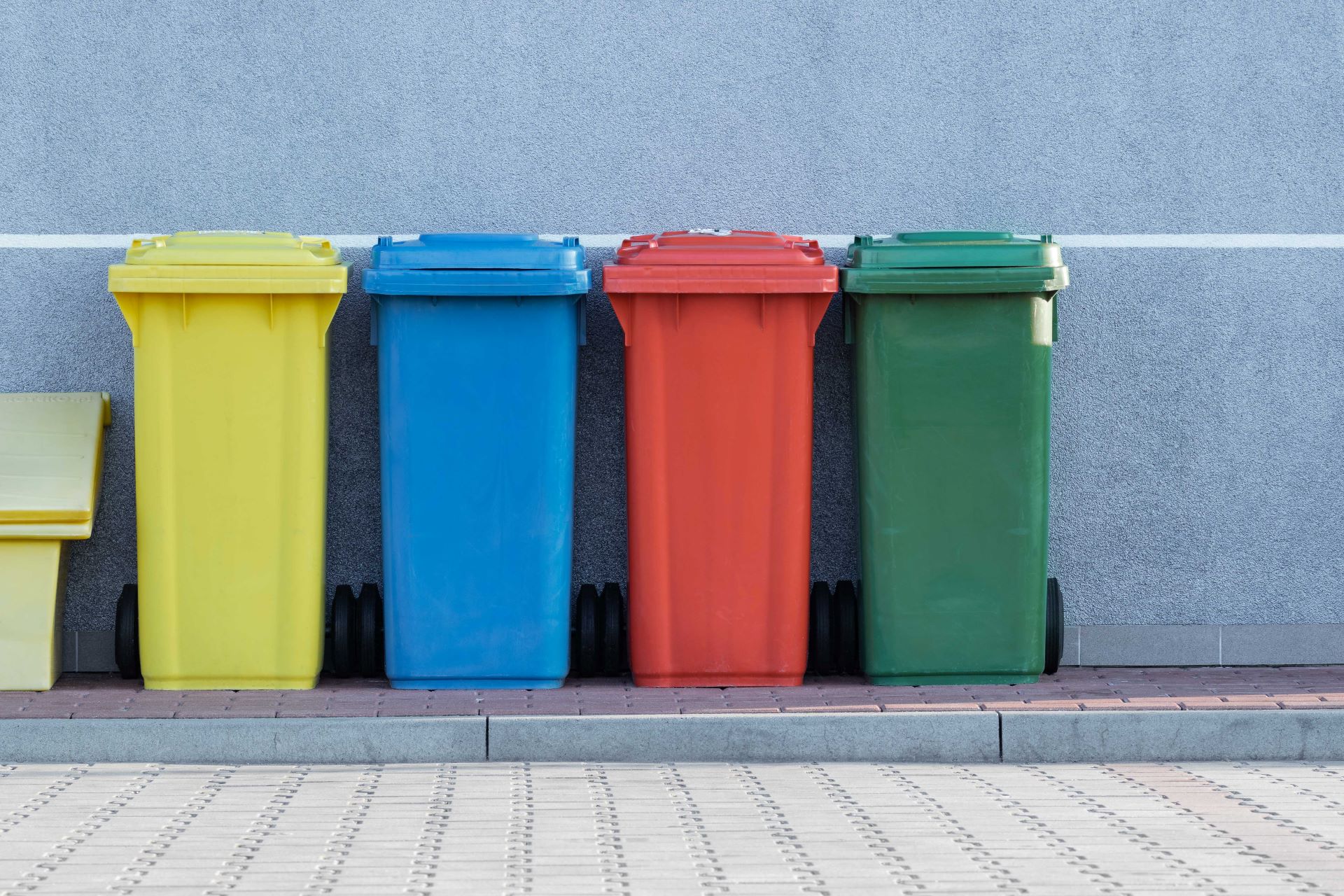
Learn what “wishcycling” means and how to avoid it so you can make smarter recycling decisions.

Learn what “greenwashing” means and how to spot it so that you can be a smart consumer.
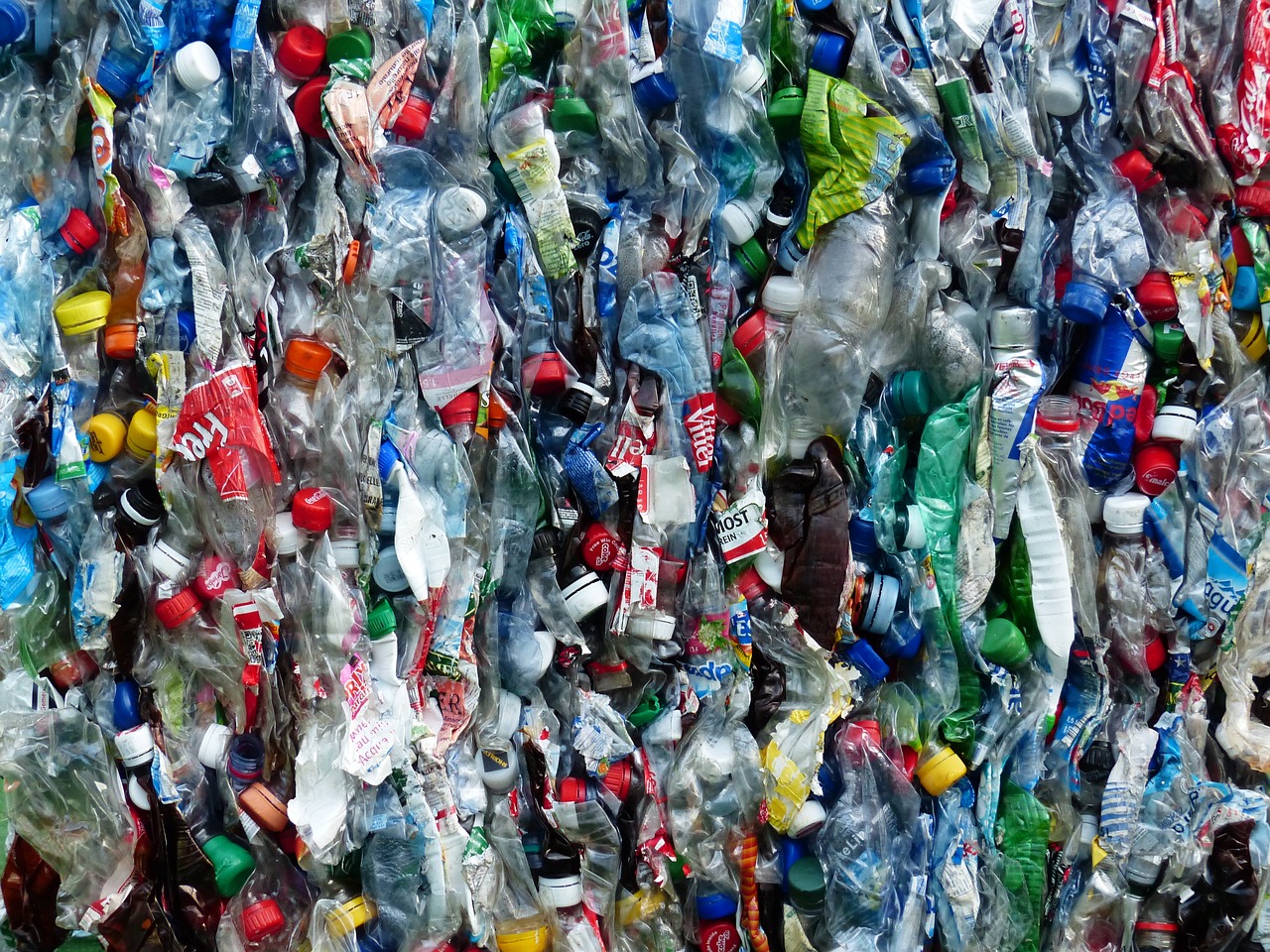
A new report shows more than five billion pounds of post-consumer plastic was acquired for recycling in 2021.
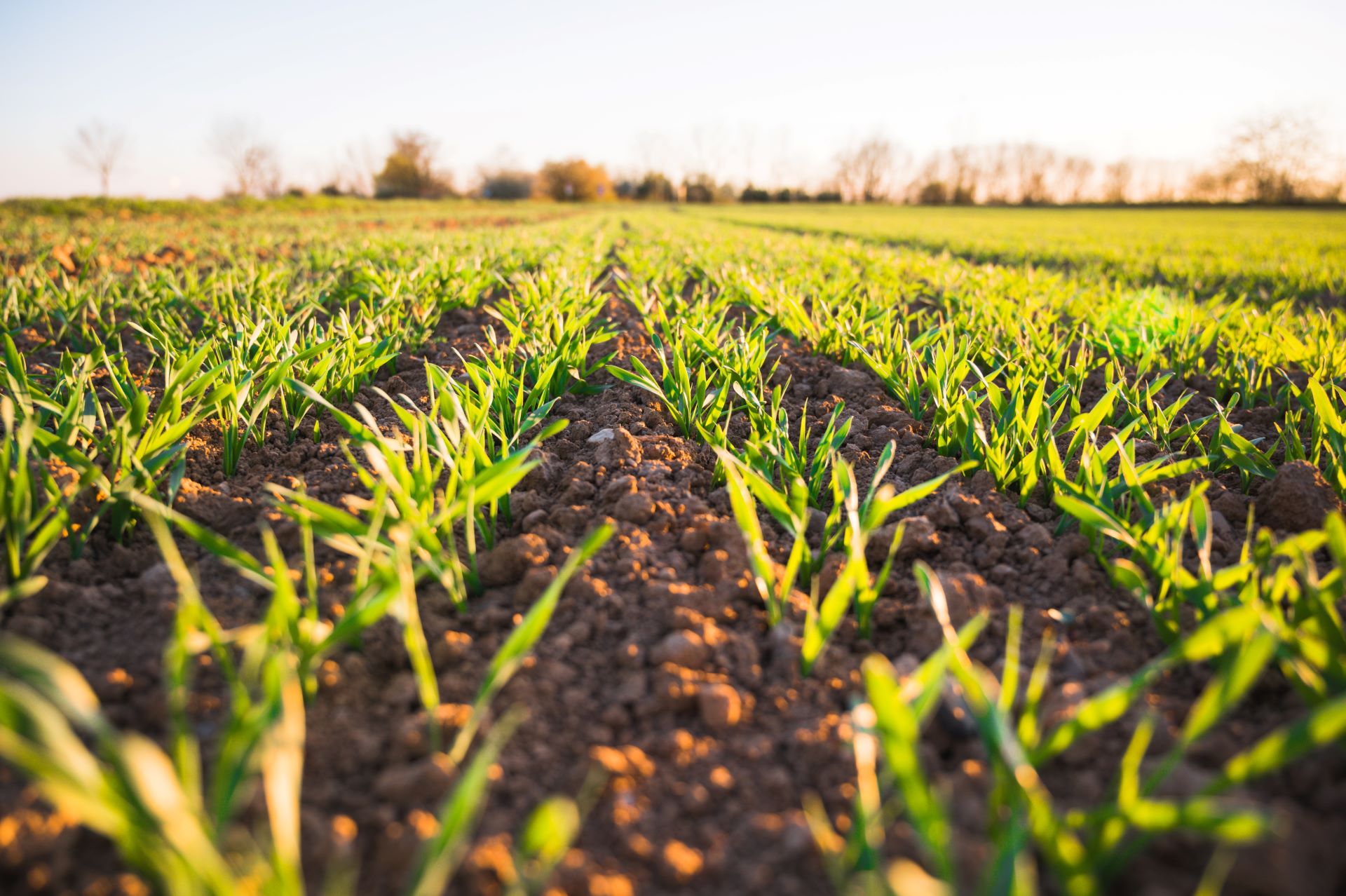
Crops need nutrients just like we do. The USDA is investing in projects that promote soil health and climate change challenges.
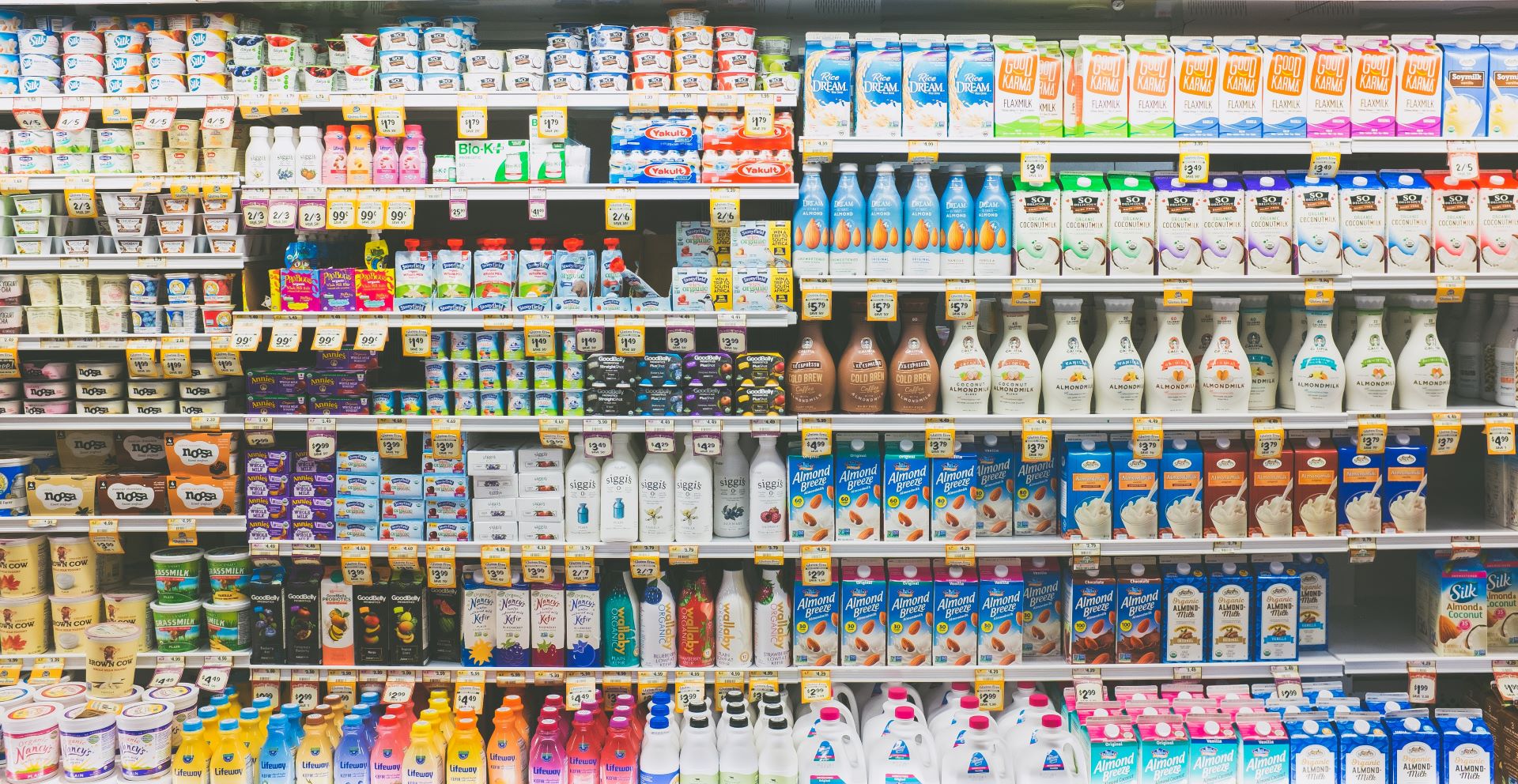
Though Americans seem to refuse to eat healthy, the FDA has relentless persistence to help people make responsible food choices.
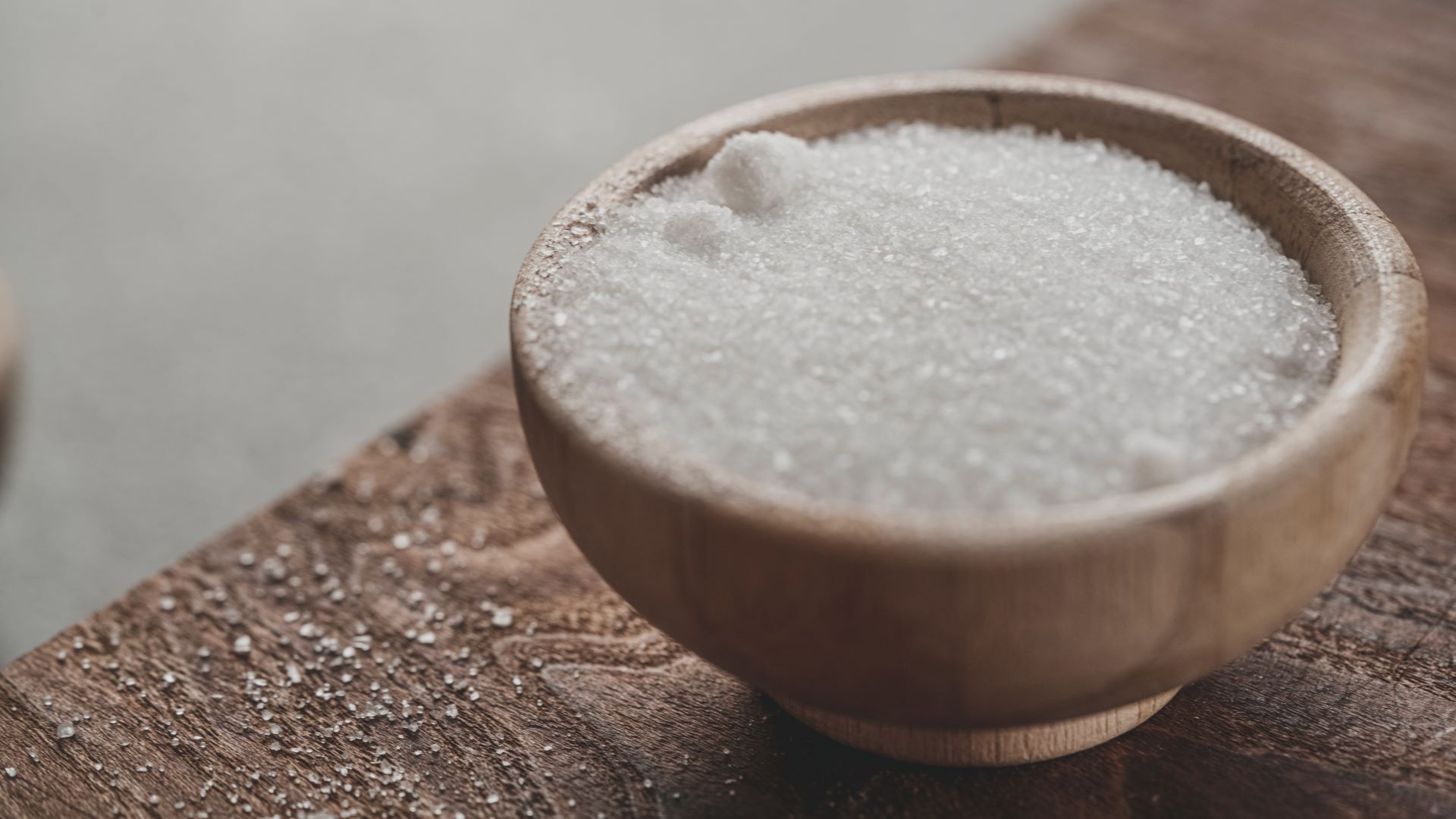
Chronic diseases such as hypertension are linked to a high sodium intake. The FDA proposed changes to its salt standards so that food manufacturers can use salt substitutes and lower the sodium content in processed food.

It’s hard for kids to eat healthy at school when they have limited options. The USDA is awarding grants to help improve student meals and nutrition education.

How much money does it take to convince Americans to eat healthy? The FDA seeks funds to invest in better oversight of food safety and labeling, animal food safety, cosmetics regulations and labeling, and medical product safety.
As part of a $90 million dollar investment in conservation efforts, the U.S. government prioritizes composting viability to increase adoption in agriculture.
Innovative conservation and climate change programs get a boost as part of the Investing in America agenda. Here’s a rundown of the recent grant announcement and program priorities.
Learn what “wishcycling” means and how to avoid it so you can make smarter recycling decisions.
Learn what “greenwashing” means and how to spot it so that you can be a smart consumer.
A new report shows more than five billion pounds of post-consumer plastic was acquired for recycling in 2021.
Crops need nutrients just like we do. The USDA is investing in projects that promote soil health and climate change challenges.
Though Americans seem to refuse to eat healthy, the FDA has relentless persistence to help people make responsible food choices.
Chronic diseases such as hypertension are linked to a high sodium intake. The FDA proposed changes to its salt standards so that food manufacturers can use salt substitutes and lower the sodium content in processed food.
It’s hard for kids to eat healthy at school when they have limited options. The USDA is awarding grants to help improve student meals and nutrition education.
How much money does it take to convince Americans to eat healthy? The FDA seeks funds to invest in better oversight of food safety and labeling, animal food safety, cosmetics regulations and labeling, and medical product safety.

This new report measures the household products brand’s progress against sustainability commitments and underscores an ongoing focus on decarbonization.
Learn what “greenwashing” means and how to spot it so that you can be a smart consumer.
Chronic diseases such as hypertension are linked to a high sodium intake. The FDA proposed changes to its salt standards so that food manufacturers can use salt substitutes and lower the sodium content in processed food.
A new report shows more than five billion pounds of post-consumer plastic was acquired for recycling in 2021.